
App Testing Services

Build an app testing system that works as a controlled growth system.

App Testing with strategy, execution, measurement, and clean handoff.

high-edge / app-testing Live
Mobile Product SystemApp Testing Engine
UX clarityMapped
IntegrationsReady
ReleaseControlled

The Challenge

App testing needs scenarios, devices, and release context.

Release Defects / 01Strategic Diagnosis

App Testing should help app users, QA teams, product owners, developers, and support teams move with less uncertainty, but it starts to leak value when test cases do not match real user journeys.

The problem compounds when device coverage is too narrow and regression checks are not tied to release risk. Teams may see activity, assets, traffic, or technical progress, but the system does not create enough confidence for fewer release defects, stronger user confidence, and safer app updates.

High Edge Media treats app testing as a connected delivery system. We align functional testing, device checks, regression plans, API testing, performance review, and release readiness, content, user intent, operations, measurement, and review cycles before production work expands.

For App Testing, the real damage usually appears when release defects guides decisions. Local fixes and one-off changes can look useful, but they rarely create a stable path from attention to trust, comparison, and action.

We correct the foundation first: scope, hierarchy, quality standards, tracking requirements, handoff, and improvement priorities. That gives the finished mobile QA system enough structure to launch cleanly and keep improving after real usage data arrives.
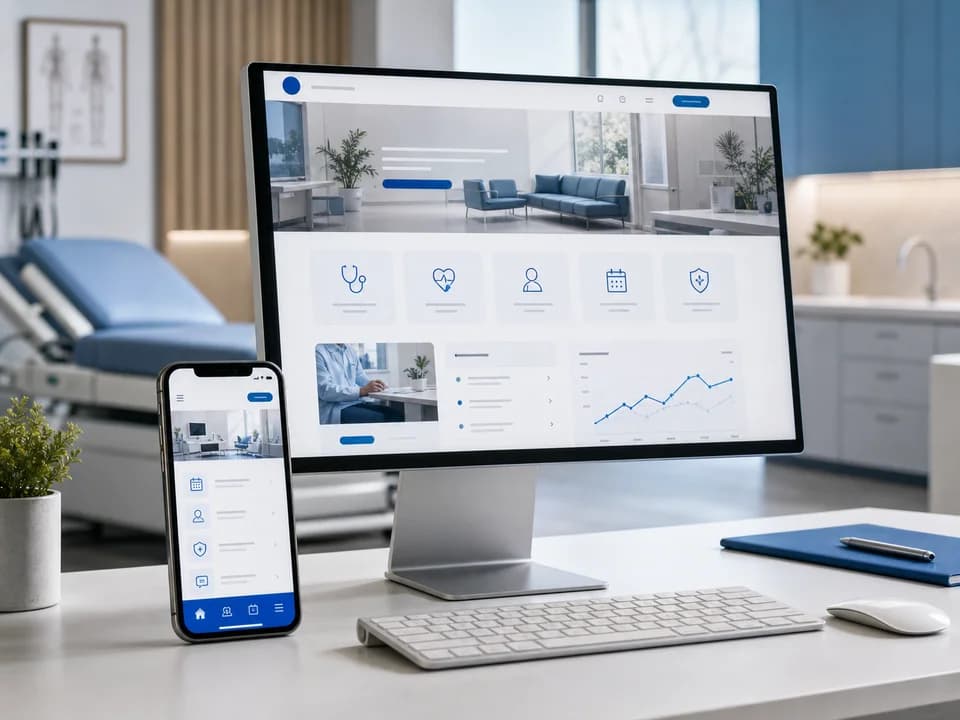
mobile app product planning and release dashboard for app testing
The Bottom LineApp Testing performs best when strategy, execution, measurement, and operations are handled as one connected system instead of separate deliverables.

What We Offer

App Testing built as a mobile QA system, not a disconnected task.

Our app testing service connects test planning, functional QA, device matrix, API checks, regression testing, bug reporting, and release readiness review with functional testing, device checks, regression plans, API testing, performance review, and release readiness so the work is practical, measurable, and consistent with the rest of your digital ecosystem. Instead of delivering an isolated asset, we define the decisions, dependencies, and acceptance checks that make the work easier to use, maintain, and scale.

The outcome is an app testing system shaped around app users, QA teams, product owners, developers, and support teams, fewer release defects, stronger user confidence, and safer app updates, and the operational details your team must manage after delivery. Strategy, creative direction, implementation support, QA, analytics, and post-launch priorities stay connected from the first workshop to the final handoff.

01

Product Scope

  • Audience fit: Define how app users, QA teams, product owners, developers, and support teams evaluate the offer and what they need before they trust the an app testing system.
  • Scope clarity: Turn test planning, functional QA, device matrix, API checks, regression testing, bug reporting, and release readiness review into a practical plan with priorities, dependencies, and approval points.
02

Mobile UX

  • Experience logic: Resolve test cases do not match real user journeys before it becomes a design, campaign, or development problem.
  • Quality bar: Keep visual, technical, content, and interaction decisions aligned with functional testing, device checks, regression plans, API testing, performance review, and release readiness.
03

Integration Quality

  • Operational control: Document the handoff rules your team needs to maintain the mobile QA system after delivery.
  • Risk reduction: Address release defects early so later changes do not create avoidable rework.
04

Release Readiness

  • Measurement: Connect success signals to fewer release defects, stronger user confidence, and safer app updates instead of judging the work only by surface output.
  • Next actions: Leave a realistic improvement backlog for launch, campaign, or monthly optimization cycles.

Delivery Roadmap

A app testing roadmap with clear checkpoints from test plan to release signoff.

Step 01

Test Plan

Review the current state, audience questions, business objective, content inputs, constraints, and quality signals so app testing starts from a clear decision base.

Step 02

Device Matrix

Shape the mobile QA system around test planning, functional QA, device matrix, API checks, regression testing, bug reporting, and release readiness review, using the right hierarchy, components, messaging, workflows, and acceptance checks before production expands.

Step 03

Regression Run

Create the working assets, campaigns, automations, content, interfaces, or implementation plan with review points that keep functional testing, device checks, regression plans, API testing, performance review, and release readiness tied to fewer release defects, stronger user confidence, and safer app updates.

Step 04

Release Signoff

Validate the finished work against usability, measurement, brand fit, technical requirements, handoff needs, and the next improvement priorities after launch or delivery.

Case Studies / Success Stories

App Testing outcomes built through connected planning, execution, measurement, and optimization.

App Testing

App Testing foundation for a healthcare startup

Reframed the mobile QA system around test cases do not match real user journeys, device coverage is too narrow, and clearer action paths for app users, QA teams, product owners, developers, and support teams.

  • Cleaner decision path
  • Stronger stakeholder approval
  • Launch-ready delivery assets
App Testing

App Testing improvement for a field operations team

Removed friction from test planning, functional QA, device matrix, API checks, regression testing, bug reporting, and release readiness review and gave the team a more measurable system for fewer release defects, stronger user confidence, and safer app updates.

  • Reduced rework
  • Better measurement discipline
  • Clearer post-launch roadmap
App Testing

App Testing system for a consumer app brand

Created repeatable standards so the an app testing system could support new campaigns, content, channels, releases, or internal workflows without losing consistency.

  • Reusable operating model
  • More consistent execution
  • Faster future iterations

Platforms and Tools

The stack behind mobile UX, native and cross-platform builds, API integration, testing, and app maintenance.

FlutterReact NativeAndroidiOS
FirebaseREST APIsFigmaGitHub

Case Studies / Success Stories

More App Testing proof from strategy, production quality, handoff discipline, and measurable improvement.

App Testing

App Testing foundation for a healthcare startup

Reframed the mobile QA system around test cases do not match real user journeys, device coverage is too narrow, and clearer action paths for app users, QA teams, product owners, developers, and support teams.

  • Cleaner decision path
  • Stronger stakeholder approval
  • Launch-ready delivery assets
App Testing

App Testing improvement for a field operations team

Removed friction from test planning, functional QA, device matrix, API checks, regression testing, bug reporting, and release readiness review and gave the team a more measurable system for fewer release defects, stronger user confidence, and safer app updates.

  • Reduced rework
  • Better measurement discipline
  • Clearer post-launch roadmap
App Testing

App Testing system for a consumer app brand

Created repeatable standards so the an app testing system could support new campaigns, content, channels, releases, or internal workflows without losing consistency.

  • Reusable operating model
  • More consistent execution
  • Faster future iterations

Testimonials

What App Testing Clients Say

Mobile UX
High Edge Media gave our app testing work the structure it was missing. The strategy, details, and delivery checkpoints stayed connected.
Grace MillerFounder, healthcare startup
App reliability
They understood the practical handoff, not just the presentation layer. That made the final mobile QA system much easier for our team to use.
Nisha KapoorMarketing Lead, field operations team
Release control
The work was specific to our goals, measured against real outcomes, and clear enough for the next phase of improvement.
Emma CollinsOperations Director, consumer app brand

App Testing FAQs

Clear answers before you scope, approve, or scale.

Scope, timeline, delivery approach, handoff, measurement, and ongoing support for app testing.

What is included in App Testing?

It includes test planning, functional QA, device matrix, API checks, regression testing, bug reporting, and release readiness review, planning, review checkpoints, quality control, handoff guidance, and recommendations tied to fewer release defects, stronger user confidence, and safer app updates.

How long does app testing take?

App Testing timelines depend on scope, content readiness, reviews, integrations, and approval speed. In most cases, focused app work can take 2 to 4 weeks, while complete app builds usually take 8 to 16 weeks depending on scope and integrations.

Will the work match our existing brand and website?

Yes. We align the an app testing system with your current brand, platform, content standards, analytics needs, and growth priorities unless a strategic change is part of the scope.

How do you measure whether the project is working?

We define success around practical signals such as clarity, usability, conversion quality, publishing speed, search visibility, campaign performance, or operational time saved depending on the app testing scope.

Can you support improvements after delivery?

Yes. We can continue with optimization, content updates, campaign support, reporting reviews, design refinements, technical fixes, automation improvements, or roadmap work after the initial mobile QA system is delivered.

Start Your App Testing Project

Ready to turn app testing into a clearer growth system?

Share your objective, audience, current assets, platform, constraints, budget, and deadline. We will recommend the cleanest path from scope to delivery and measurable improvement.